

Water leaks can shut down critical IT environments faster than many operators expect, especially in facilities that rely on chilled water cooling and raised floor infrastructure. This blog will walk you through how a water leakage detection system helps Singapore data centres find hidden leaks early, protect server rooms, and reduce downtime risk in 2026.
What a Water Leakage Detection System Does in a Critical IT Environment
A water leakage detection system is used to detect the presence of water at vulnerable locations and trigger an alert before water damage spreads. In a server room or data centre, that usually means monitoring areas such as raised floors, chilled-water routes, condensate zones, or other concealed paths where moisture can spread before it becomes visible. CITEC’s own data-centre leak-detection content describes the system as a way to quickly identify water intrusion or flooding in a data centre or server room environment and alert staff before significant harm occurs.
That is the core value. The system is not there because leaks happen every day. It is there because missing one leak can lead to equipment damage, emergency response, service interruption, and expensive recovery.
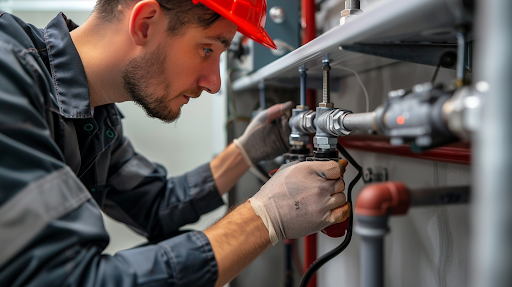
Why Water Risk Is Serious in Singapore Server Rooms and Data Centres
Water risk in Singapore data-centre and server-room environments is closely tied to the way cooling infrastructure is deployed. Precision cooling, chilled-water networks, condensate drainage, insulation performance, and concealed underfloor services all create conditions where moisture can appear in places that are difficult to inspect continuously. CITEC’s site positions leak detection alongside its broader precision cooling and mission-critical infrastructure offering, which reflects the real operational link between cooling systems and water risk.
Singapore’s current regulatory direction also reinforces the need for stronger physical-risk planning. IMDA’s 2025 advisory guidelines were introduced to help cloud service providers and data-centre operators reduce the occurrence and impact of disruptions, and the guidelines explicitly cite physical hazards such as fires, water leaks, and cooling system failures.

How a Water Leak Detection System Works
A practical leak detection system for a server room or data centre usually has four parts:
- a sensing layer
- a field connection path
- a monitoring or locating panel
- an alarm or monitoring path to the operations team
CITEC’s leak detection page makes the panel role very clear. Its C-LP locating panel functions as the central hub, detects leaks through connected cables, communicates with the BMS for centralized monitoring, displays system status, and includes a distance locating feature that can pinpoint the leak location to within ±0.5 metre. That is a meaningful operational difference, because facilities teams need more than a generic alarm. They need usable location information when the leak is under a raised floor or along a long route.
Point Sensors vs Water Sensing Cables
This is one of the most important buying decisions behind the keyword.
A point sensor is suited to a known, local failure point such as a drain pan, condensate tray, valve assembly, or a specific equipment base. It works best when the risk is concentrated in one visible area.
A water sensing cable is more suitable when risk is spread across a route or concealed zone, such as under raised floors, along chilled-water pipe runs, or around multiple possible leak points. CITEC’s leak detection page and water-sensing-cable content both support the cable-based approach for early detection and location pinpointing in data-centre and server-room environments.
The distinction matters because a point sensor can be effective at a known drip location but leave blind spots across a longer underfloor or perimeter path. A sensing cable gives broader coverage where water may travel before staff can see it.
Where Leak Detection Should Be Installed
A leak detection system is only useful if it is placed where water is likely to originate, collect, or travel toward critical equipment.
In server rooms and data centres, the highest-priority locations are typically:
- under raised floors
- along chilled-water pipes and valve assemblies
- around CRAC or other precision cooling units
- near condensate drain pans and drainage routes
- at transition points where water can move toward electrical or IT equipment
This placement logic aligns with the actual risks created by cooling infrastructure and concealed service paths. It also aligns with CITEC’s broader positioning across precision cooling, server-room protection, and related service support.
Why Raised Floors Need Special Attention
Raised floors are one of the most important detection zones because they conceal the exact kind of water spread that operators are most likely to miss during normal visual inspection. Underfloor spaces often carry air pathways, cable routes, service access, and sometimes water-related infrastructure. A leak beneath the floor can move laterally before it appears in a visible aisle.
CITEC’s broader server-room and data-centre cooling content supports the use of cable-based probes beneath raised floors to identify water early in these concealed areas. That makes raised-floor detection one of the most practical controls in a critical IT room, especially where chilled water lines, condensate routes, or cooling equipment sit nearby.
Why BMS Integration Matters
A basic local alarm is not enough for most serious server-room or data-centre environments.
The operational value increases when the leak detection system feeds into a central monitoring environment. CITEC’s locating panel is explicitly designed to communicate with the BMS for centralized monitoring. That matters because alert speed depends on whether the signal reaches the people who can act, not just whether the sensor detects moisture.
In practical terms, BMS integration helps with three things:
- faster awareness
- clearer event visibility
- better documentation of alarm history and recurring issues
For larger facilities, centralized monitoring also makes it easier to connect leak alerts to the same operating workflow used for cooling, power, and facilities events.
Why Cooling Infrastructure Is a Priority Risk Zone
Cooling-related infrastructure is where many meaningful water risks sit. Pipework, joints, insulation, condensate paths, and equipment drainage all create points where water can escape or accumulate. CITEC’s broader precision-cooling and services footprint makes this relationship commercially relevant, because leak detection is not separate from cooling reliability in a mission-critical environment.
The wider industry context also supports caution around liquid-related risk. Uptime Institute’s 2024 Cooling Systems Survey found coolant leaks among the major barriers organisations cite when deploying direct liquid cooling. That is not the same as saying every data centre has the same leak profile, but it does show that liquid leakage is treated as a real operational concern in current cooling strategy.
What a Buyer Should Look For in a Leak Detection System
For commercial investigation intent, the selection criteria matter as much as the basic explanation.
A useful system for a Singapore server room or data centre should answer these questions clearly:
- Does it use point sensors, sensing cables, or both?
- Can it indicate the leak location accurately enough for fast response?
- Can it integrate with the BMS for centralized monitoring?
- Is it suited to raised floors, pipe routes, condensate zones, or mixed layouts?
- Is it being supplied by a provider that also understands the cooling environment around it?
CITEC’s strongest differentiators in this topic are clear: server-room and data-centre use case, locating-panel architecture, BMS communication, and ±0.5 m locating capability. Those are stronger commercial signals than generic claims about “smart monitoring.”
Why This Topic Fits CITEC International
CITEC International should be positioned here as a provider of leak detection systems for server rooms, data centres, and critical IT environments, not as a generic resilience adviser. Its live site supports that positioning directly. CITEC states that it is a Singapore-based manufacturer established in 1996 and presents leak detection as part of a wider mission-critical infrastructure offering that also includes precision air conditioning and service support.
That is commercially important because a leak detection project in a data-centre or server-room environment is rarely just a sensor purchase. It usually sits alongside cooling infrastructure, monitoring architecture, and ongoing maintenance expectations.
Common Mistakes When Specifying Leak Detection
The most common specification mistake is treating any water alarm as if it provides the same operational value.
That is not true.
A local buzzer near one equipment base is not equivalent to a cable-based locating system that reports into the BMS and helps the team find the affected zone quickly. Another common mistake is placing sensors only at obvious visible points while ignoring concealed routes under raised floors or along pipe runs. A third mistake is treating leak detection as a late add-on after the cooling layout has already been fixed, rather than specifying it where water risk actually exists.
Conclusion
A water leakage detection system in Singapore should be treated as part of the protection architecture for server rooms and data centres, not as a minor building accessory.
In 2026, the stronger deployments are the ones that match the sensing method to the real risk path, cover hidden routes such as raised floors and cooling infrastructure, and connect alerts into centralized monitoring so the facilities team can act quickly. CITEC’s own offer is strongest when framed that way: a leak detection system designed for critical IT environments, with BMS communication, leak locating capability, and relevance to the cooling infrastructure that creates much of the water risk in the first place.
For projects that need system scoping or site-specific advice, operators can contact CITEC’s team directly to evaluate the right coverage approach for server rooms and data-centre environments.
FAQs About Water Leakage Detection System Singapore
What is a water leakage detection system used for in a server room?
It is used to detect water presence near vulnerable infrastructure such as raised floors, cooling pipe routes, condensate areas, and equipment zones so operators can respond before damage spreads.
What is the difference between a point sensor and a water sensing cable?
A point sensor monitors one known location, while a water sensing cable covers a longer route or concealed area where water may appear at multiple points.
Can a leak detection system integrate with a Building Management System?
Yes. CITEC’s C-LP locating panel is described as communicating with the BMS for centralized monitoring.
Why is raised-floor leak detection important?
Because water can spread below sightlines under a raised floor before operators see it, which increases the risk of hidden damage and delayed response.
Why is this relevant in Singapore in 2026?
Because Singapore’s regulatory and operational environment continues to emphasize resilience in cloud and data-centre infrastructure, and IMDA’s 2025 advisory guidelines explicitly include water leaks and cooling system failures among the physical hazards operators should address.
